Photorealistic 3D Renders of Origami Girls

Create Stunning Photorealistic 3D Renders of Origami Girls with Glasses: A Detailed AI Art Prompt Guide
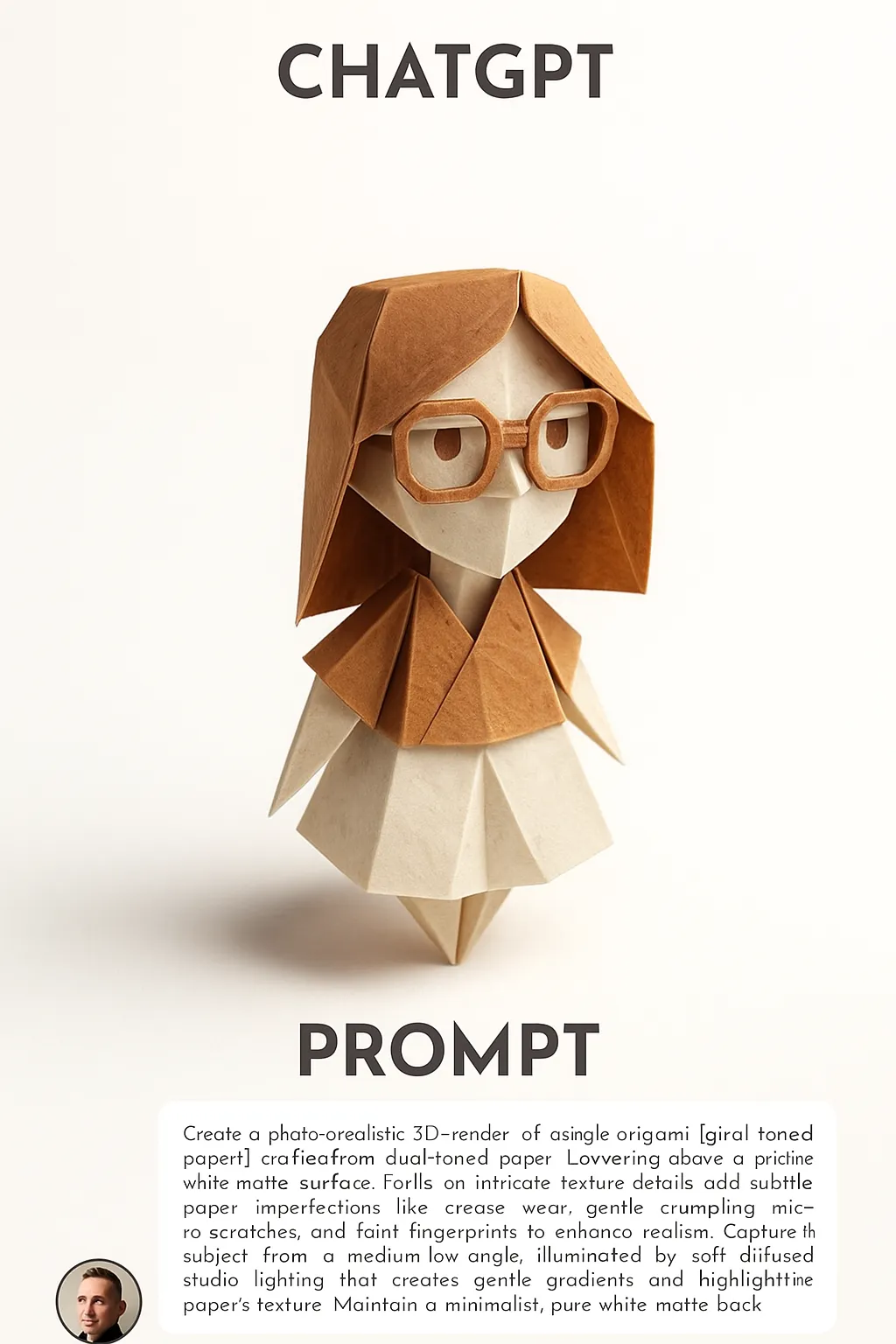
Looking to craft an ultra-realistic, minimalist 3D render of an origami girl with glasses? This AI art prompt is perfectly designed for artists, designers, and digital creators who want to generate captivating, dual-toned paper origami models — hovering above pristine white surfaces with exquisite textural detail.
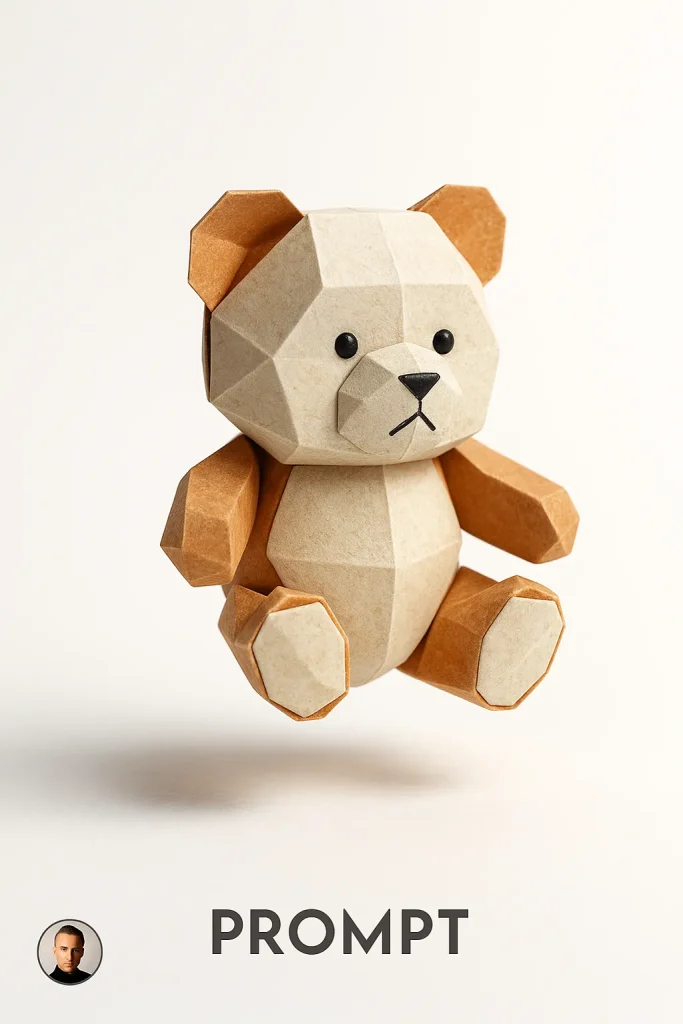
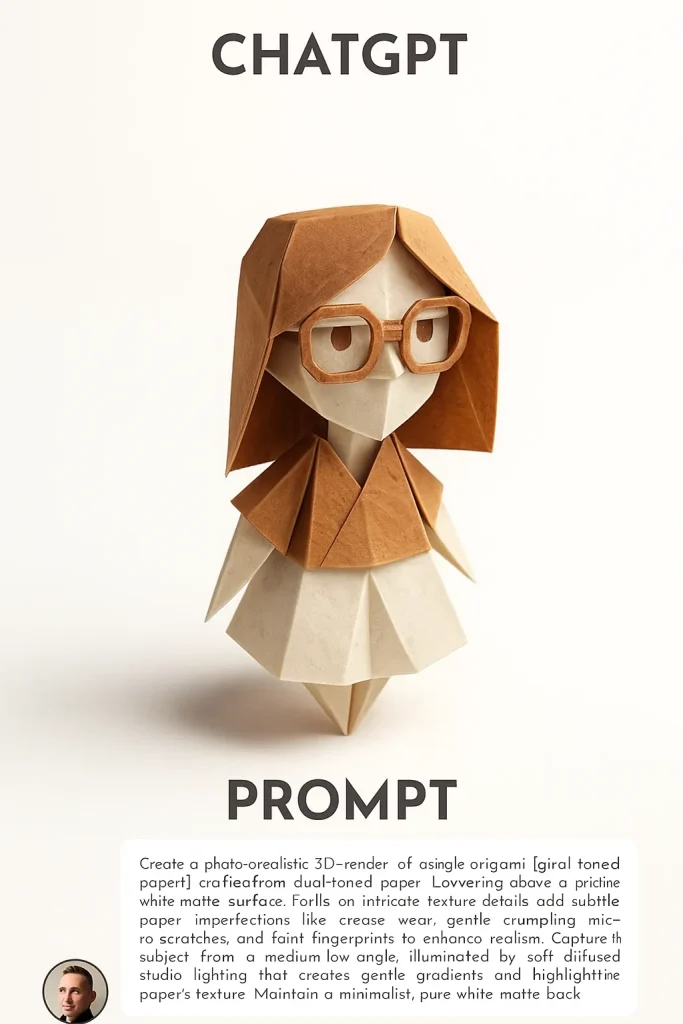
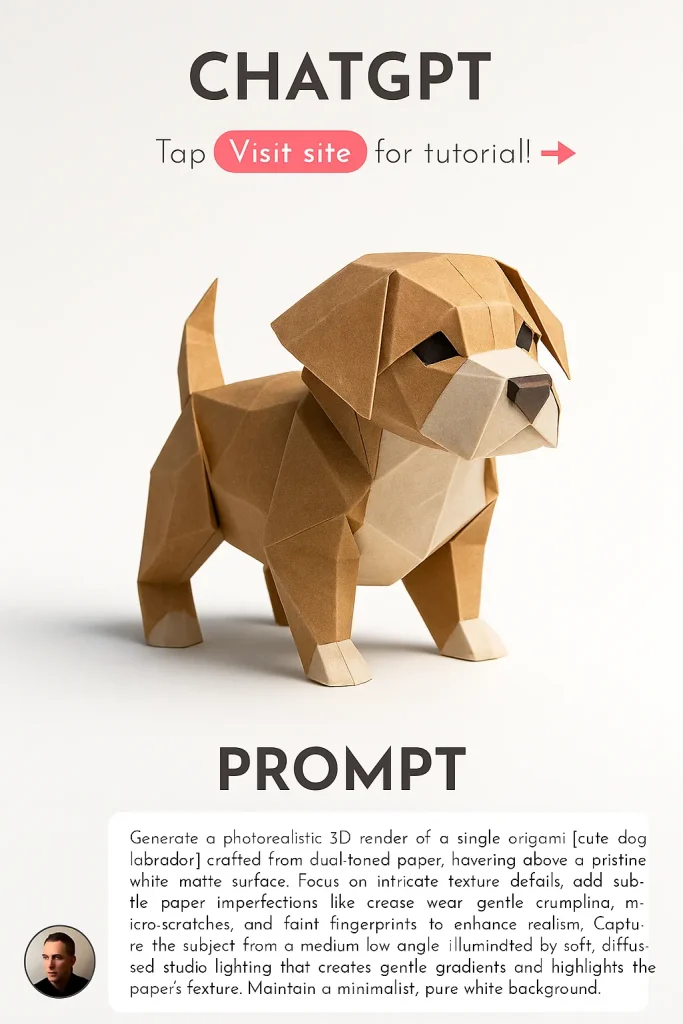
Whether you’re aiming to produce hyperrealistic 3D art for portfolios, Pinterest visuals, branding, or digital decor, this prompt’s focus on material authenticity, subtle paper imperfections, and soft studio lighting makes it a go-to for refined and elegant 3D compositions.
pro tip
–v 5.2 –ar 1:1 –style 4c –q 2
🔥 Prompt:
Photorealistic 3D render of a single origami girl with glasses, crafted from dual-toned paper and floating above a pure white matte surface. Intricate textures showcase delicate paper imperfections—crease wear, gentle crumpling, micro-scratches, and faint fingerprints—to enhance realism. Captured from a medium-low angle under soft, diffused studio lighting that highlights gentle gradients and paper texture. Minimalist pure white matte background. Color palette emphasizes the two distinct paper tones alongside pearl white. Hyperrealistic rendering style focuses on lifelike material accuracy and detailed craftsmanship.
🧠 Why This Prompt Works
Hyperrealistic Material Accuracy: Perfect for AI tools like Midjourney, DALL·E, or 3D rendering software that support detailed texture mapping and lighting.
Photorealistic Texture Detailing: The prompt ensures your render captures tiny paper imperfections such as crease marks and micro-scratches, making the origami girl feel tangible and realistic.
Dual-Toned Paper Palette: Using two contrasting paper colors plus pearl white adds depth and visual interest, enhancing the 3D effect.
Minimalist Composition: The clean, white matte background removes distractions, keeping the focus squarely on the origami figure’s form and texture.
Dynamic Medium-Low Angle: This viewpoint creates a sense of presence and subtle dynamism, ideal for showcasing the complexity of origami folds.
Soft, Diffused Studio Lighting: Produces gentle shadows and highlights, emphasizing paper texture and giving a natural, artistic feel.
🎯 Best Use Cases
Wall Art and Merchandise: Unique digital prints for home décor or apparel with a sophisticated artistic vibe.bol and giving it a tactile, handmade feel, perfect for brand experimentation, mood boards, and visual concepting.
Digital Art Portfolios: Showcase advanced texturing and lighting skills.
Pinterest and Social Media Visuals: Eye-catching, minimalist content ideal for engagement and inspiration boards.
Branding and Packaging Concepts: Origami-themed designs communicate craftsmanship and delicacy.
3D Modeling Practice: Great prompt for honing realistic paper material shaders and lighting setups.
Try creating a full alphabet collection for branding or educational visuals!
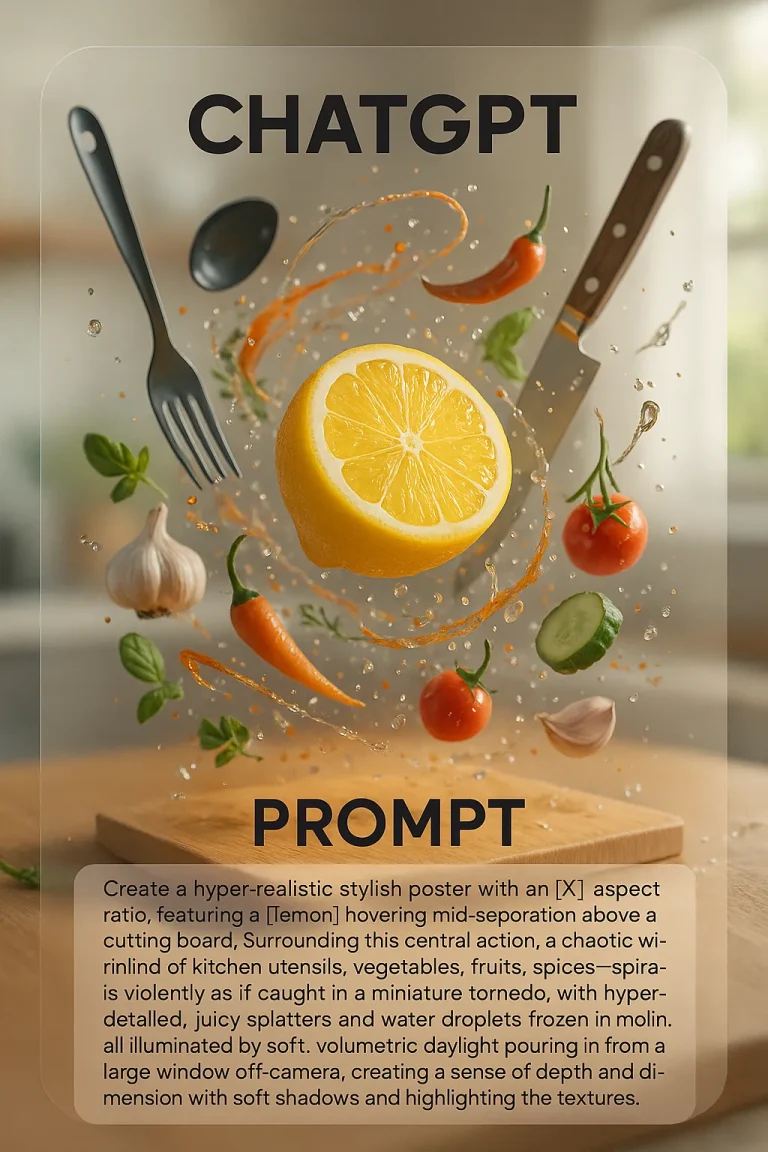
Surreal kitchen concepts or ad-style visuals
You can also change the aspect ratio depending on your platform:
16:9 for desktop wallpapers or YouTube thumbnails
4:5 for Instagram
2:3 or 3:4 for Pinterest
📌 How to Customize This Prompt
Experiment with paper texture intensity for varied realism levels.
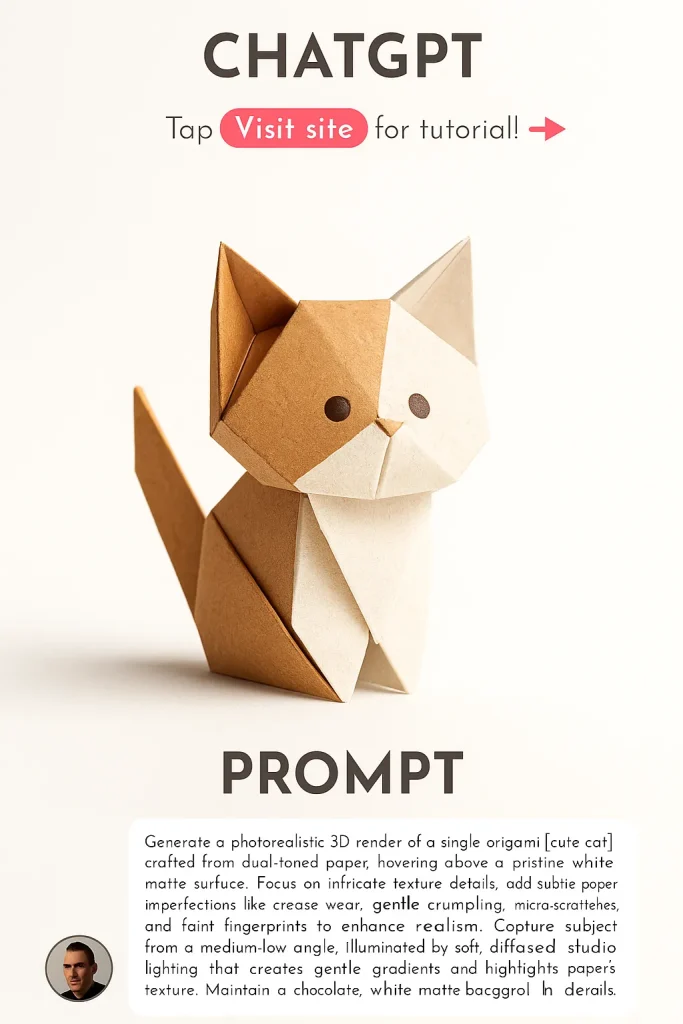
Swap the “girl with glasses” for other origami subjects—animals, abstract shapes, or characters—to fit your project.
Adjust paper colors or add metallic accents for unique visual themes.
Change camera angles or lighting to create moodier or more dramatic effects.
T
Pro Tips for Maximum Impact
Post-process subtly to boost contrast and sharpness without losing natural softness.
Use high-resolution texture maps or procedural details to simulate paper fiber and crease depth.
Combine soft global illumination with directional rim lights for enhanced dimension.
Render at higher aspect ratios like 4:5 or 3:4 for social media platforms such as Instagram or Pinterest.
“Photorealistic 3D render of a dual-toned origami girl with glasses, floating elegantly above a pristine white matte surface. Featuring intricate paper texture details like crease wear, gentle crumpling, and subtle fingerprints, illuminated by soft studio lighting from a medium-low angle. A minimalist composition emphasizing material accuracy and lifelike details with a color palette of dual tones and pearl white.”
jazzy
Why Photorealistic Origami 3D Renders are Trending
Origami-inspired 3D models blend tradition with digital craftsmanship, appealing to both art lovers and design professionals. The trend towards minimalist, tactile visuals on social media and digital marketing has pushed creators to focus on texture realism and material authenticity. Using this prompt, you can create fresh, Pinterest-worthy visuals that stand out in crowded digital spaces.
Where to Use Photorealistic Origami 3D Renders
Paid Advertising & Brand Campaigns
These hyper-realistic 3D origami visuals are perfect for:
- Social media ads (Instagram, Pinterest, TikTok)
- Hero images on landing pages
- Brand campaigns highlighting craftsmanship and design
- Influencer or content marketing visuals
Digital Collectibles & NFTs
Due to their unique, highly-detailed nature, origami 3D renders are ideal for:
- NFT art collections
- Limited-edition digital assets
- Crypto-themed merchandise drops
Why Marketers and Crypto Creators Choose This Style
- Tactile Realism: The intricate paper textures make digital art feel tangible, increasing engagement.
- Minimalist Aesthetic: Clean backgrounds focus attention, boosting ad CTR and NFT desirability.
- High-Contrast Lighting: Optimized for scroll-stopping visuals on feeds and marketplaces.
- Customizable Variations: Easily create series or collectibles with slight color, pose, or texture differences.
Industries That Pay Premium CPM or NFT Value
- Digital art and NFT marketplaces
- Lifestyle and home décor brands
- Fashion and accessory brands
- Social media influencers and content creators
- Crypto platforms and Web3 projects
These sectors are willing to pay higher budgets or crypto-based commissions for unique, high-quality digital art.
Typical Marketing & NFT Budgets
- Social ad campaigns: $10–$50/day testing, scaling for high-performing creatives
- NFT drops: Variable; high-detail renders often command $50–$500+ per unique collectible
- Branding campaigns: Premium pricing due to photorealistic and highly-stylized visuals
Tools & Software for Professional Renders
- 3D & Rendering: Blender, Cinema 4D, Autodesk Maya
- AI Generation: MidJourney, Leonardo AI, DALL·E 3
- Post-Processing: Photoshop, After Effects, Figma
High-quality exports in PNG, JPEG, or OBJ/GLTF for NFT minting or print-on-demand merchandise.
Crypto Integration Tips
- Mint your origami renders as limited NFT editions on platforms like OpenSea, Rarible, or Magic Eden.
- Use dual-tone or color variations as collectible series to encourage trading and social engagement.
- Pair renders with exclusive perks (like wallpapers, merch, or physical prints) to increase NFT utility.
- Market with blockchain-backed authenticity and scarcity to boost perceived value.
Prompt Variations for A/B Testing & NFT Collections
- Swap “girl with glasses” for other origami subjects: animals, abstract shapes, or branded mascots.
- Adjust paper colors, metallic accents, or lighting for rarity tiers.
- Change angles or background textures for collectible variations.
- Add subtle animated effects (like paper flutter or soft shadows) for web3 or AR displays.
Common Mistakes That Reduce Engagement or Value
- Overcomplicating textures or adding distracting backgrounds
- Soft or inconsistent lighting that reduces realism
- Using generic color palettes instead of dual-tone or complementary tones
- Low-resolution renders unsuitable for print or NFT minting
Print, Merchandise & Production Compatibility
- Wall art, posters, or apparel (T-shirts, mugs, tote bags)
- High-resolution images suitable for Pinterest, Instagram, and web portfolios
- 3D models for AR/VR showcase, Web3 galleries, or metaverse environments
Pricing & Monetization Expectations
- Freelance commissions: $50–$500+ per unique render depending on complexity and licensing
- NFT pricing: $50–$1000+ for high-detail, limited editions
- Merchandise prints: $20–$100 per item depending on scale and exclusivity
Best File Formats for Ads, NFTs & Print
- PNG / JPEG for social media and prints
- OBJ / GLTF / USDZ for 3D assets and AR/VR
- PSD / layered AI files for post-processing and commercial customization
When Not to Use This Style
- Projects requiring heavy animation or real-time gaming assets
- Soft painterly or abstract graphics instead of photorealistic precision
- Minimalist corporate content that requires neutral visuals
Brand Consistency Tips for NFT Collections
- Keep lighting, paper texture, and camera angles consistent across series
- Use a limited color palette to establish a recognizable “origami brand”
- Ensure dual-tone paper scheme is maintained to enhance collectible uniqueness
earn from giving freelance services to clients
You can monetize your skills by offering freelance services on platforms like Fiverr and Upwork. Use the AI art prompts available on our website to create stunning visuals for clients, from custom illustrations to digital designs, and earn money while showcasing your creativity.