
Turn Your normal photos to art

Looking to channel classic Pop Art energy with a modern vector twist? This stylized AI art prompt offers a cinematic, dramatic, and crisply rendered design—inspired by vintage engraving techniques and the limited palettes of early comic posters.
Designed for creatives, illustrators, and branding experts, this style embraces graphic minimalism, intense contrast, and a striking 4-color palette to deliver timeless visual storytelling.
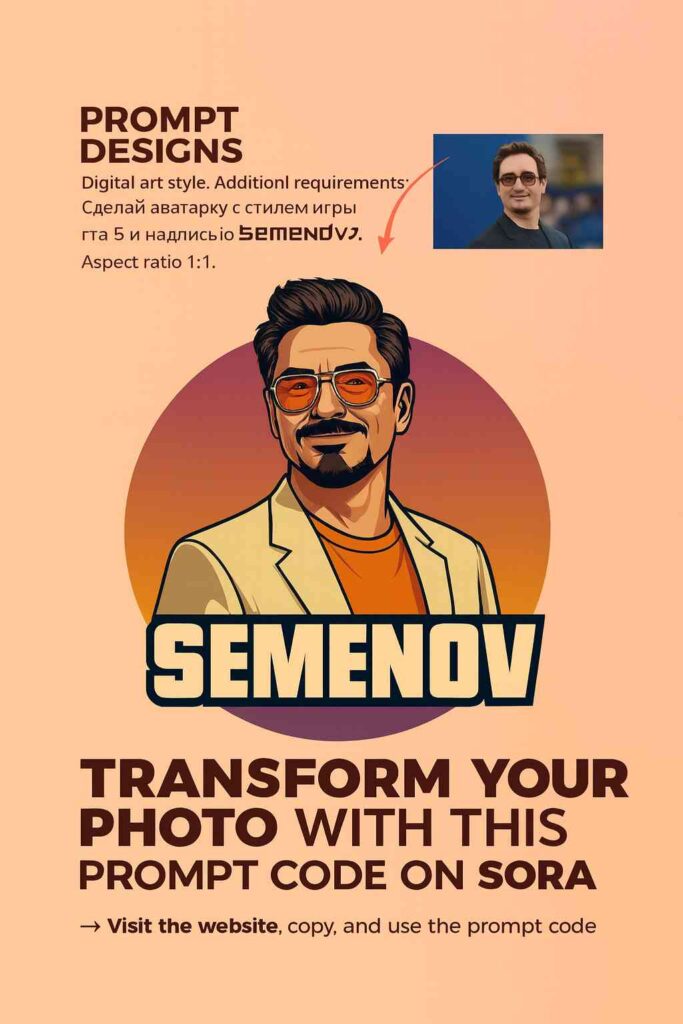
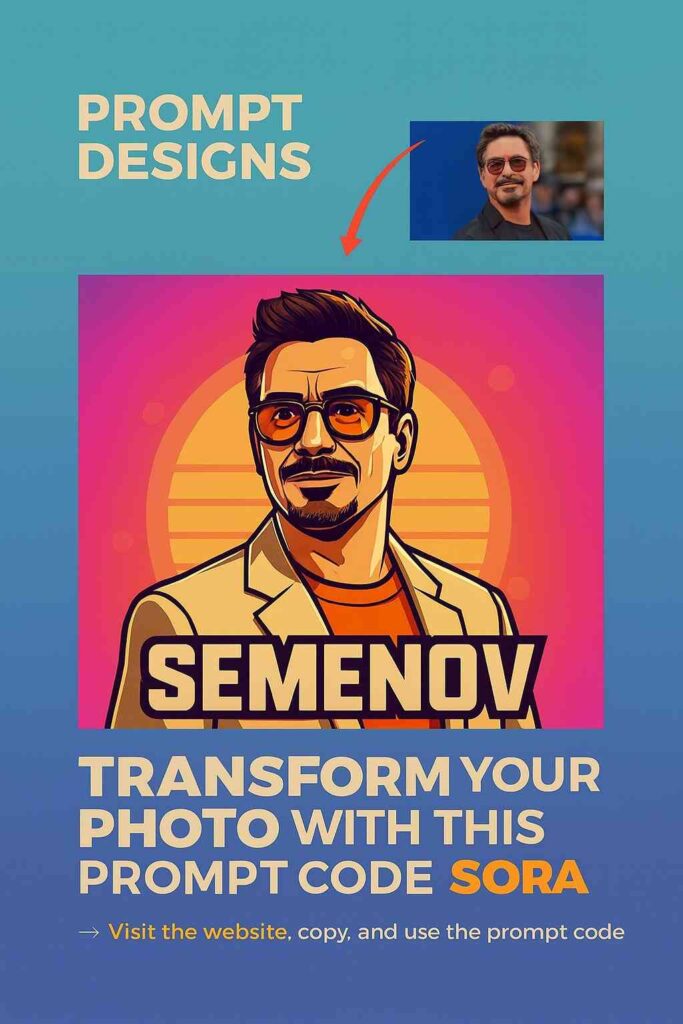
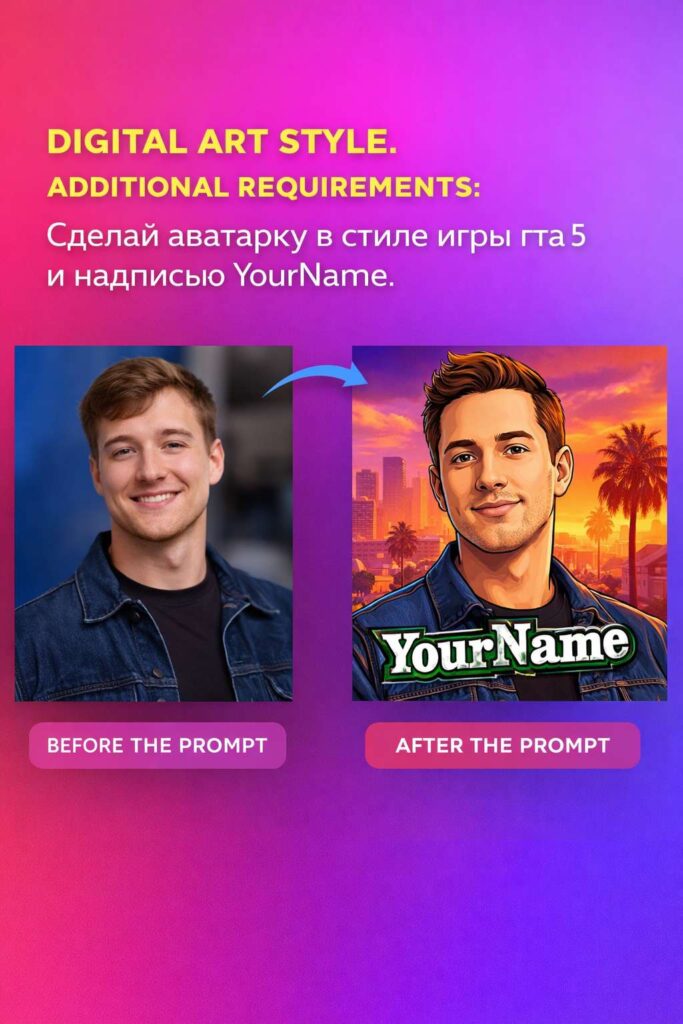
Digital art style. Additional requirements:
 Сделай аватарку с стилем игры гта 5 и надписью YourName.

Aspect ratio 1:1.
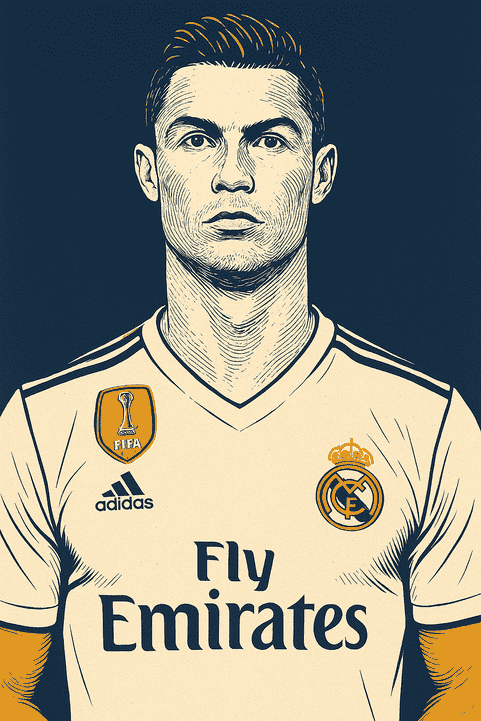
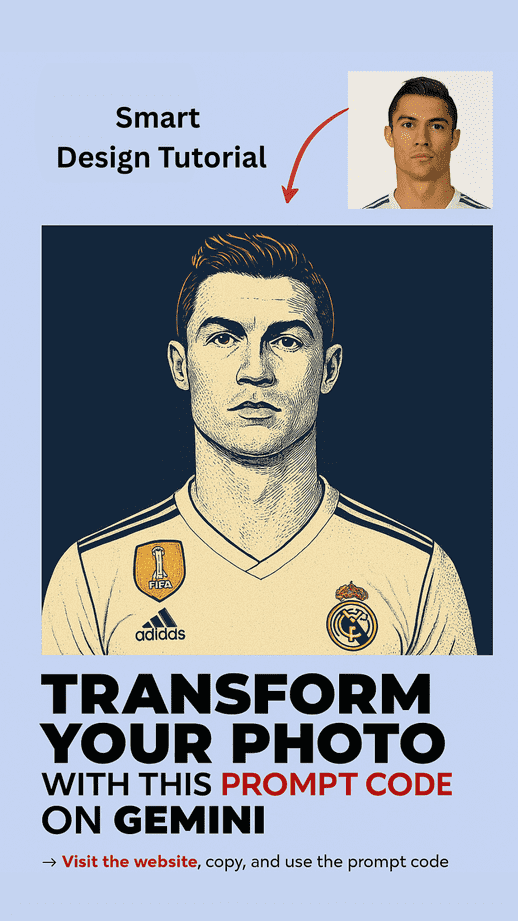
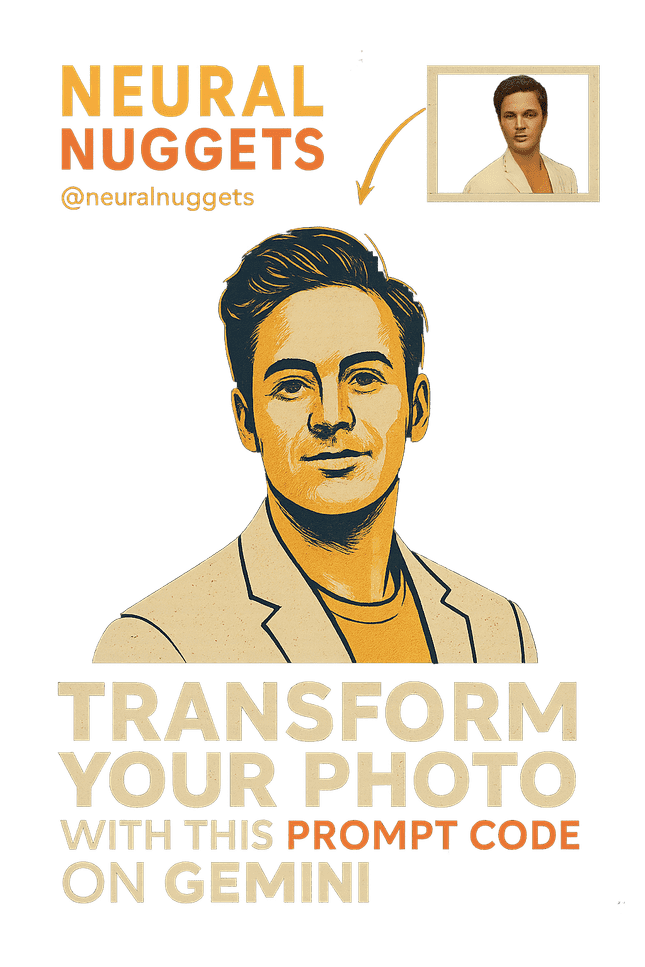
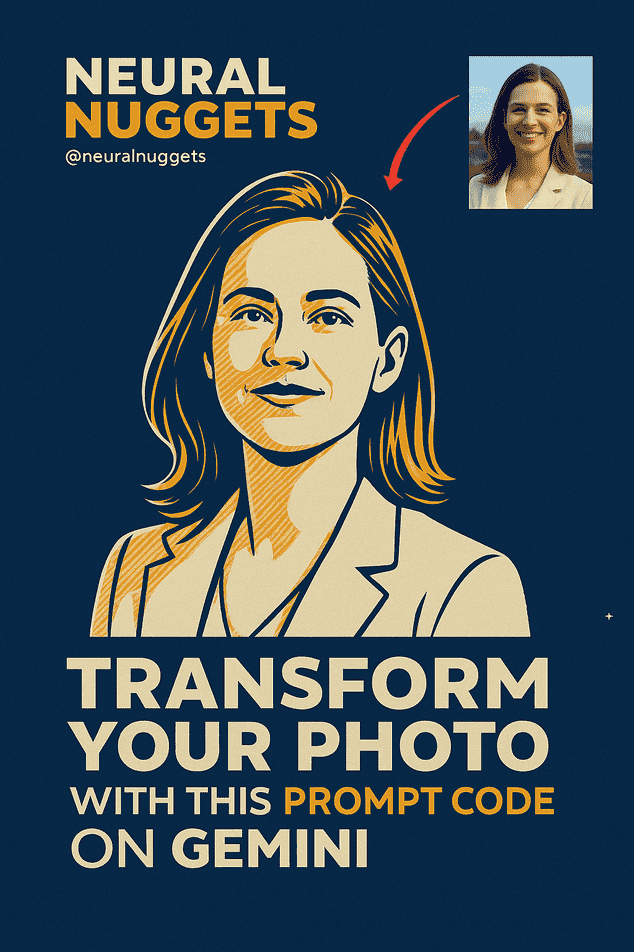
Whether you’re creating a character portrait, editorial illustration, or poster series, this guide will walk you through the ideal structure for crafting that perfect stylized Pop Art vector image.
pro tip
–v 5.2 –ar 1:1 –style 4c –q 2
🔥 Prompt:
The first condition is that the original subject, proportions, and facial features must remain identical, do not change identity, anatomy, or pose, only apply the Pop Art Vector Poster artistic style with flat vector outlines and engraved cross-hatch shading, using ONLY this limited palette of dark blue, near-white (very light blue-white), pure white, and orange-yellow with 4 total colors, no other colors and no gradients unless specified; apply aged paper grain as texture substrate; use a solid dark blue background that is minimal and non-distracting; render the face in near-white tone to appear much lighter and distinct from clothing and background, keep the clothing pure white with orange-yellow accent; mood and lighting must be high-contrast dramatic; match the same line density, stroke width, palette, and shading method across different inputs; ensure the face remains visually distinct from both background and clothing; avoid text, watermarks, logos, extra objects, or anatomical distortions; keep edges crisp with no unwanted blur or noise. --ar 1:1 --seed 78654 --strength 0.35
Why This Prompt Works
✅ Iconic Color Palette
Limiting the palette to four contrasting tones—dark blue, near-white, pure white, and orange-yellow—evokes mid-century design with a bold and clean aesthetic. It forces clarity and simplicity, emphasizing structure and mood over realism.
✅ Engraved Cross-Hatching
Cross-hatch shading adds depth, texture, and vintage flair, mimicking hand-drawn illustrations from old newspapers or graphic novels.
✅ Visual Separation
Each visual element (face, clothing, background) has its own distinct tone to maintain strong hierarchy and clarity, even in a flat vector composition.
✅ Timeless Appeal
This style bridges the gap between classic poster art and contemporary digital design, making it ideal for merchandise, magazine covers, editorial portraits, and branding visuals.
🎯 Best Use Cases
- Editorial Portraits
Eye-catching illustrations for magazine features or blog content. - Music or Film Posters
Ideal for stylized depictions of artists or scenes with bold dramatic flair. - Merchandise (Tote Bags, Tees, Prints)
High-contrast vector art prints beautifully on both digital and physical media. - Album Covers or Social Media Avatars
This format delivers stylized identity without sacrificing recognizability. - Pop Culture Series
Create consistent series using the same prompt with different subjects (musicians, actors, influencers, etc.).
🎨 Key Visual Components Breakdown
1. Color Scheme
- Dark Blue: Used for solid background and some outlines.
- Near-White: Base tone for facial skin—keeps the face visually distinct.
- Pure White: For clothing, emphasizing neutrality and contrast.
- Orange-Yellow: Accent color on clothing or small elements (earrings, pins, etc.).
❗ No gradients, no extra tones. Stick to flat fills and solid shadows.
2. Textures & Shading
- Engraved Cross-Hatching: Adds depth to cheekbones, under eyes, neck, and hairlines.
- Aged Paper Grain Texture: Overlay texture adds subtle vintage grit—mimics real-world print posters.
3. Composition Rules
- Pose & Expression: Must match original subject photo.
- Lighting: High-contrast (think chiaroscuro), emphasizing light against shadow.
- Background: Always dark blue, minimal, and non-distracting.
4. Line Work
- Uniform Stroke Width: Keeps image looking like it belongs in a poster or screenprint.
- No Blur or Noise: Edges must be sharp, crisp, and clean—this is vector style, not painterly.
💡 Pro Tips for Visual Consistency
- Batch Render Multiple Subjects: Use the same prompt format with different names or references to create a collectible series.
- Test With Different Seeds: Small changes in
--seedcan slightly shift line density or layout while keeping core structure. - Match Line Style Across Edits: Don’t mix soft sketch lines with vector strokes. Commit to vector look.
- Texture Overlay as Final Pass: Add aged grain texture over the final render in Photoshop or another tool if your AI model doesn’t support textures.
🔧 Customization Ideas
- ✅ Swap orange-yellow for red or teal for alternate branding themes (if limited palette allows).
- ✅ Add frame or border in dark blue for a retro print feel.
- ✅ Use vertical format (2:3 or 4:5) for poster-like effect.
- ✅ Add vector halftone dots for added retro authenticity.
Where We can use this prompt
Used in Paid Advertising & Brand Campaigns
This Pop Art vector style is commonly used in paid social ads, brand launches, and digital marketing campaigns where strong visual contrast is required to stop scrolling. Marketers favor this style for Facebook Ads, Instagram placements, Pinterest Promoted Pins, and hero images on landing pages due to its high click-through performance.
Marketing Budget Context
Brands typically test stylized vector visuals like this in $10–$50 per day ad campaigns, measuring engagement, brand recall, and conversion lift. High-contrast Pop Art posters often outperform photo-based creatives in cold-traffic testing phases.
Professional Tools Used for This Style
Designers and creative agencies often pair AI-generated Pop Art vectors with professional tools such as Adobe Illustrator, Photoshop, Canva Pro, Midjourney, Leonardo AI, and Figma to finalize assets for commercial use, print production, and ad delivery.
Commercial Use & Licensing Considerations
When using AI-generated Pop Art vector illustrations for advertising, merchandise, or branding, creators should ensure commercial usage rights, model permissions, and platform licensing compliance. This is especially important for paid ads, print-on-demand products, and client work.
| Style Type | Best For | CPM Value |
|---|---|---|
| Photo-Realistic AI | Product pages | Medium |
| Flat Vector Art | Branding & ads | High |
| Pop Art Poster | Campaign visuals | Very High |
why this prompt is beneficial
This is beneficial ai art that help the business to sky rocket their business industries like these can use:
– Marketing & advertising agencies
– Fashion & lifestyle brands
– Music labels & film studios
– SaaS companies & startups
– Ecommerce brands & print-on-demand sellers
Prompt Variations for A/B Testing
Same Pop Art vector style with red accent instead of orange-yellow
High-contrast lighting with heavier cross-hatch density
Vertical poster format (2:3) for ad creatives
Minimalist crop for social avatars
Darker paper grain for vintage print feel
Ad Platforms Where This Visual Style Performs Best
This Pop Art vector format is commonly deployed on Facebook Ads, Instagram placements, Pinterest Promoted Pins, Google Display Network banners, YouTube thumbnails, and landing page hero sections due to its strong visual impact and adaptability.
Industries That Pay Premium CPM for This Visual Style
Marketing and advertising agencies, fashion and lifestyle brands, music labels, film studios, SaaS startups, ecommerce brands, and print-on-demand sellers frequently use this illustration style in paid campaigns and branded content.
Typical Advertising Budgets for This Type of Creative
Brands often test stylized vector visuals like this in daily ad budgets ranging from $10 to $50, scaling successful creatives into larger campaigns once engagement and click-through performance is validated.
Professional Tools & Software Commonly Used
Creative professionals typically combine AI image generation with tools such as Adobe Illustrator, Photoshop, Canva Pro, Figma, Midjourney, or Leonardo AI to refine vectors, prepare print files, and export assets for commercial use.
Commercial Use, Licensing & Brand-Safety Considerations
When using AI-generated Pop Art vector illustrations for advertising, merchandise, or client work, it is important to verify commercial usage rights and ensure brand-safe visuals that comply with advertising platform policies.
How Creative Agencies Apply This Style in Client Campaigns
Agencies often use this style during brand refreshes, campaign launches, and A/B creative testing. It is especially effective when clients want a bold, recognizable look that feels both modern and timeless.
Why This Visual Stops the Scroll (Consumer Psychology)
Direct eye contact, simplified shapes, and dramatic contrast activate visual curiosity and emotional engagement. The limited palette reduces cognitive overload, allowing viewers to process the image instantly while still feeling drawn in.
Common Mistakes That Reduce Ad Performance
Overcomplicating the palette, adding gradients, cluttering the background, or softening edges can reduce clarity and weaken the poster-style impact. Consistency and restraint are key to maintaining high performance.
Print, Merchandise & Production Compatibility
This vector-based Pop Art style is ideal for screen printing, offset printing, posters, apparel, tote bags, album covers, and large-format displays while maintaining sharpness and color integrity.
Pricing Expectations for Pop Art Vector Illustrations
Freelance designers and studios often price Pop Art vector portraits and poster illustrations between $50 and $300 per asset, depending on complexity, licensing, and commercial usage requirements.
Best File Formats for Ads, Posters & Print
High-resolution PNG files are commonly used for digital ads, while SVG or PDF formats are preferred for print and scalable branding assets to preserve crisp edges and line quality.
When NOT to Use This Visual Style
This style may not be suitable for projects requiring photorealism, soft gradients, or subtle color transitions. It performs best when bold contrast and graphic clarity are the primary goals.
Brand Consistency Tips for Multi-Creative Campaigns
Maintain the same color palette, line thickness, shading method, and background treatment across all visuals to create a cohesive and recognizable campaign identity.
Related High-Performing AI Art Prompts for Marketing
Retro propaganda poster prompts, minimalist vector portraits, cinematic noir illustrations, and screen-print t-shirt design prompts pair well with this Pop Art vector style for cohesive content collections.